Pollen

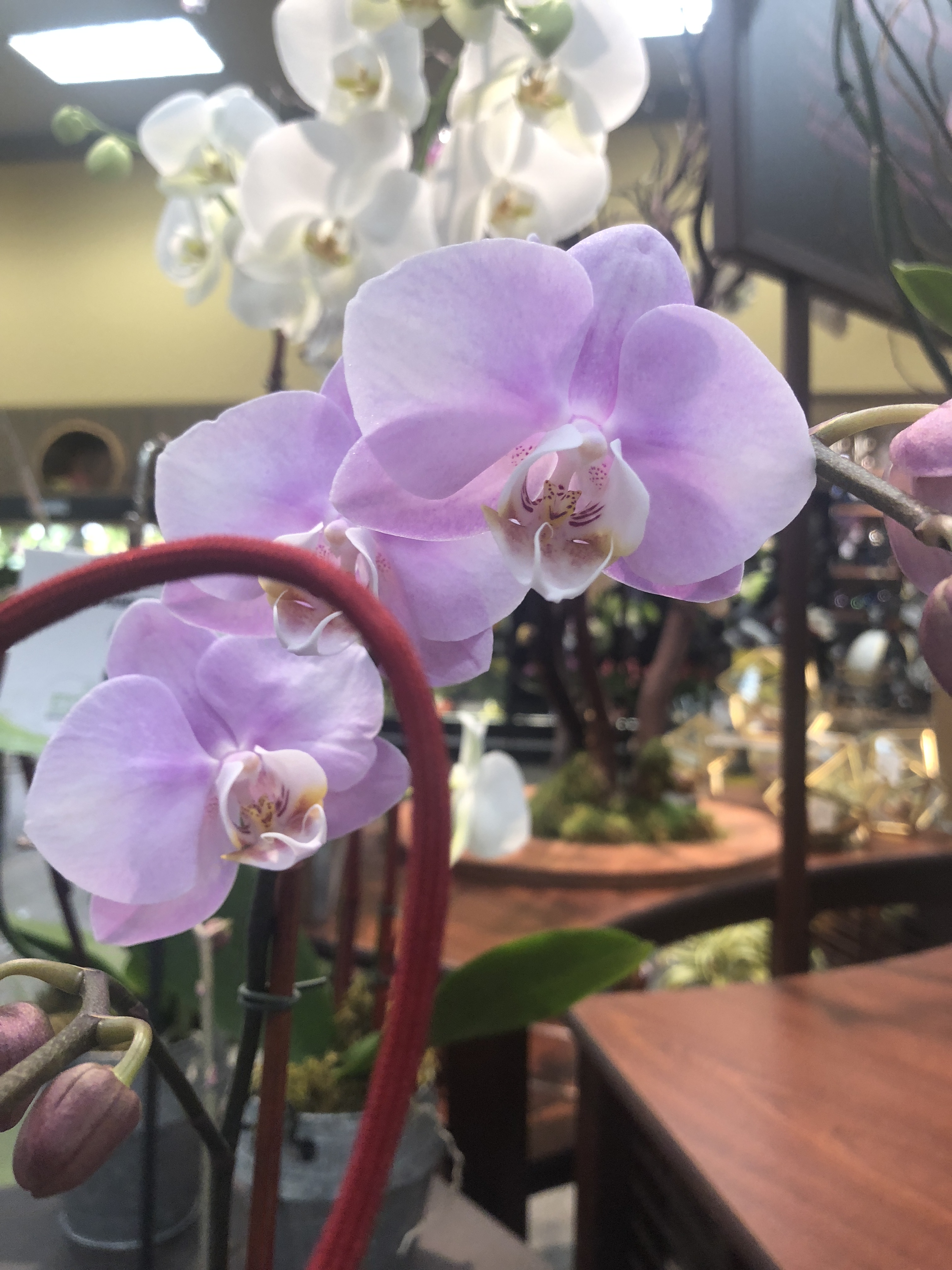
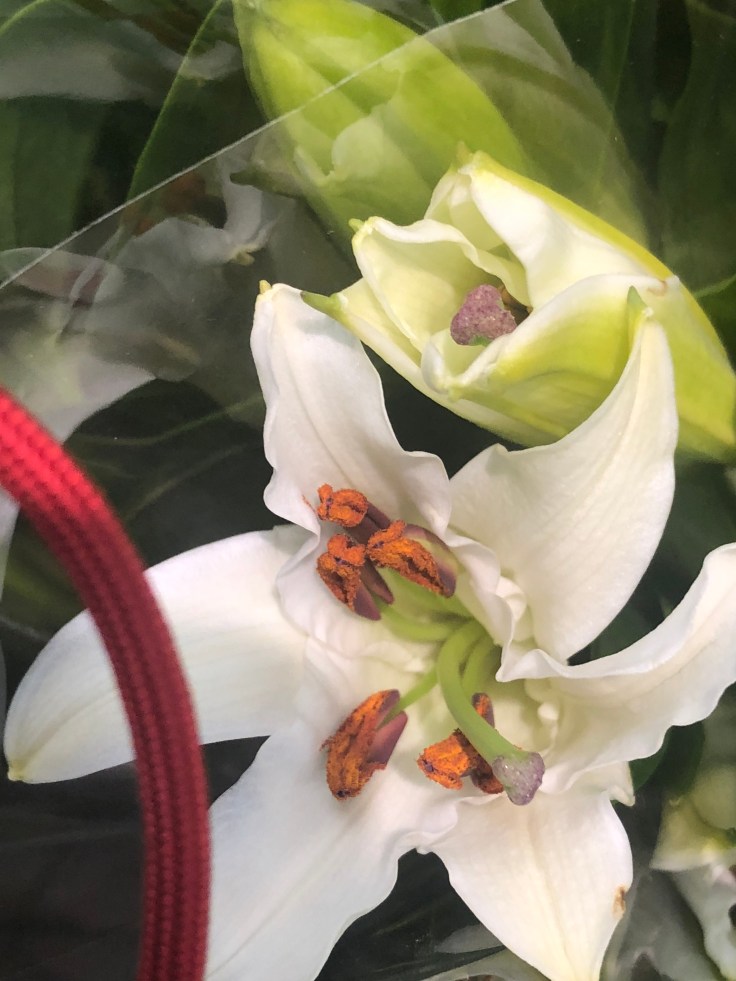
Pollen is a fine powdery substance, typically yellow, consisting of microscopic grains discharged from the male part of a flower. Each grain contains a male gamete that can fertilize the female ovule. Pollen is transported by insects, wind, or other animals. You can see pollen in this flower.
 

IMG_4759

Autotroph

An autotroph is an organism that makes organic substances from simple organic substances such as carbon dioxide. Basically, they produce their own food using light, water, carbon dioxide, or other chemicals. For this reason, they are also called producers. A common example of an autotroph is a plant.


IMG_4750.JPG

Cuticle Layer of a Plant

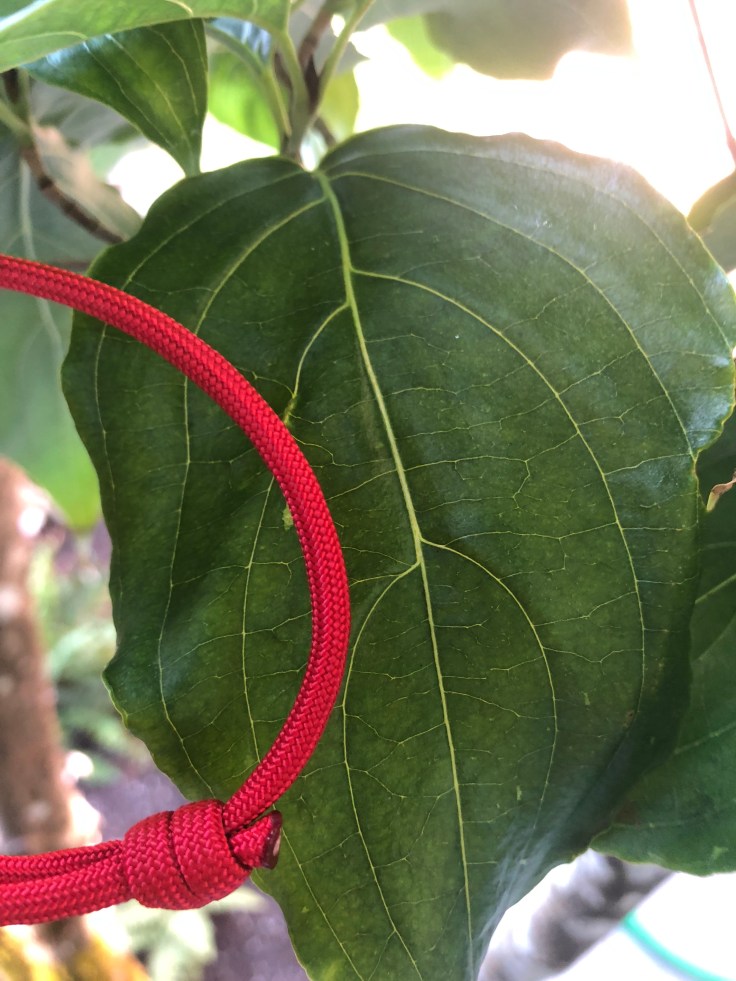
The cuticle is a thin layer that covers the surface of plants used to protect and support the epidermis of a plant. Basically, it provides a waterproof layer to limit water loss. You can see this waxy, shiny appearance in plants such as laurel and holly.


IMG_4763

Deciduous Leaf

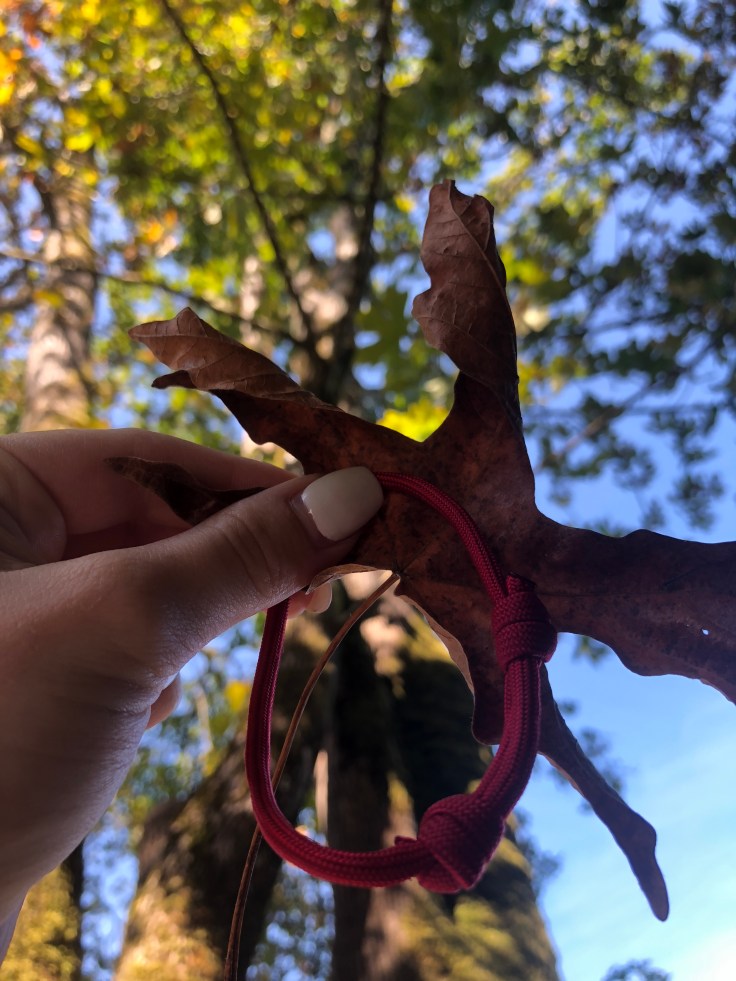
A deciduous leaf comes from a tree or shrub that seasonally sheds leaves, usually in the autumn. The term deciduous means “falling off at maturity.” This is a deciduous leaf that has already fallen due to maturity. 

IMG_4767


Conifer Leaf

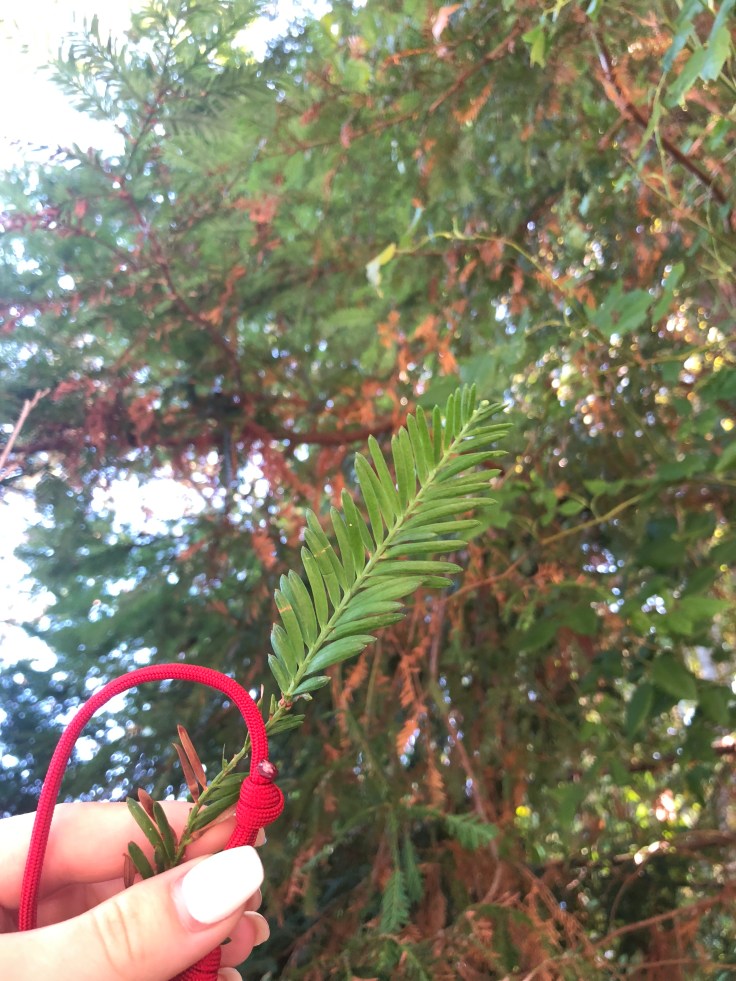
A conifer leaf is one that comes from a conifer, which is a tree that produces cones as seeds. They are mostly evergreen trees and shrubs that have needle-shaped leaves. They are all woody plants that grow year round. This is a picture of one.


IMG_4764

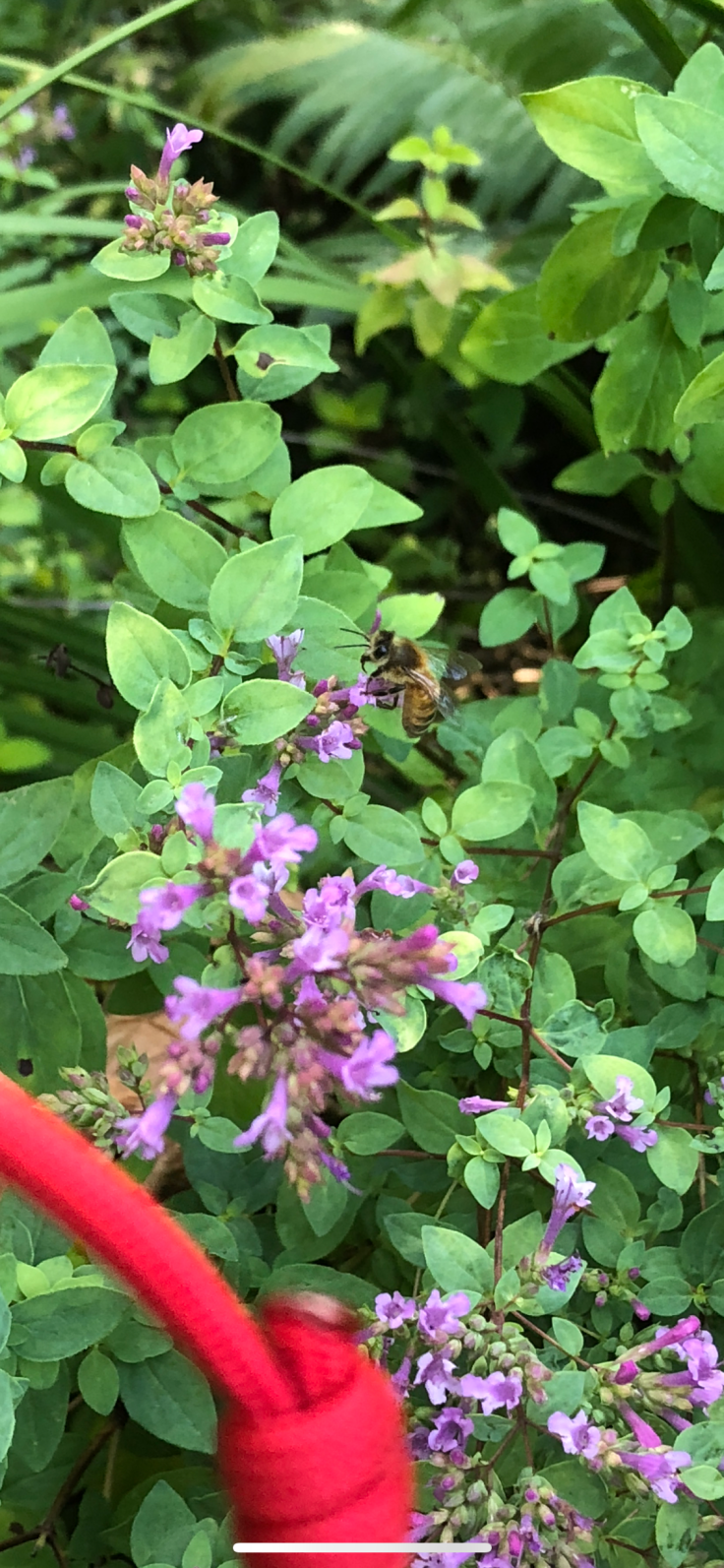
Pollinator

A pollinator is an animal that moves pollen from the male anther of a flower to the female stigma of a flower. This is different than a pollenizer, a plant that is a source of pollen for the pollination process. A bee is a type of pollinator.


IMG_4777.PNG

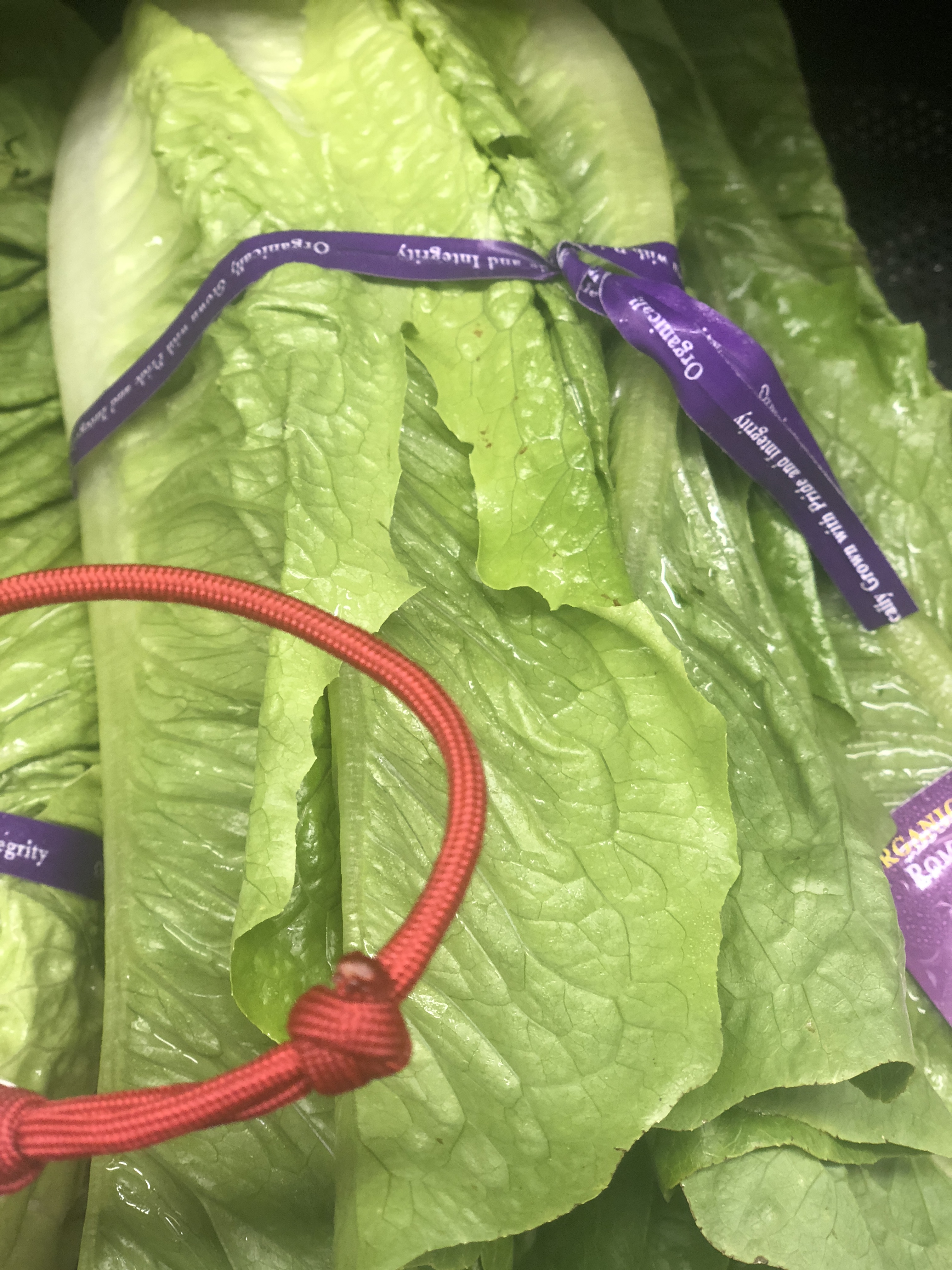
Long-day Plant

Long-day plants are plants that need over 12 hours of sunlight before they can flower. Lettuce is a type of long-day plant because it only flowers when the days are longer, during temperate summers.


IMG_4754.JPG

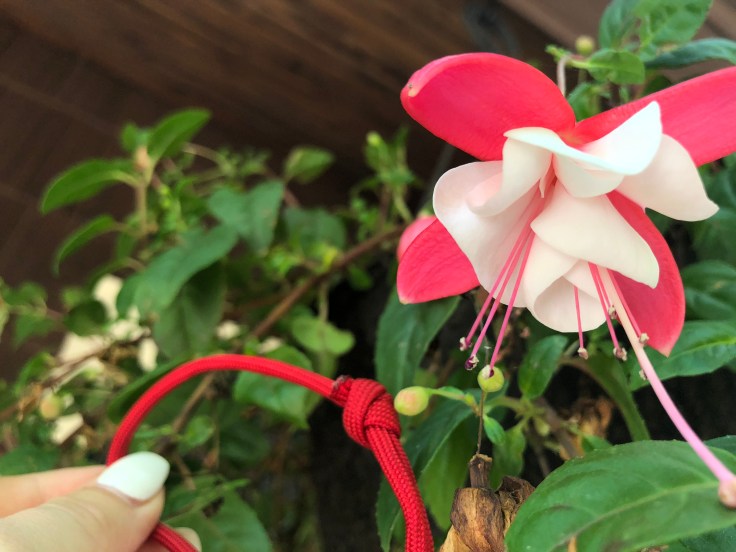
Flower Ovary

In flowers, the ovary is what allows the flower to produce. The ovary is the part of the pistil that contains the ovule. It is usually found at the base of the petals as shown in the picture. IMG_3910

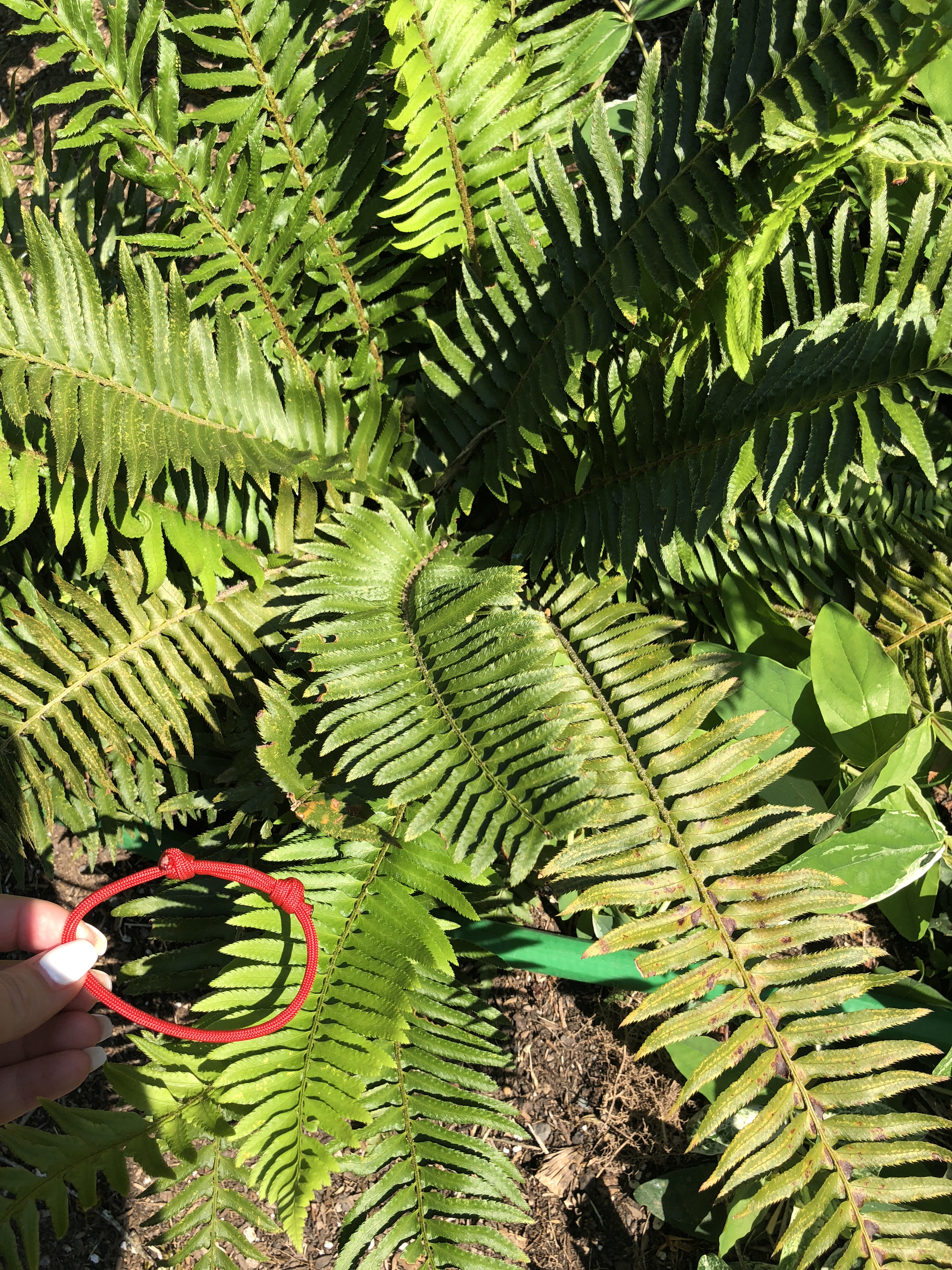
Frond

A frond is a large divided leaf that is part of a fern, palm tree, or similar plant. Ferns, for example, reproduce via spores, not seeds like most plants. The spores are encased in structures called sporangia, which lay on the underside of their fronds.IMG_3903.JPG

Fruit- Dry with Seed

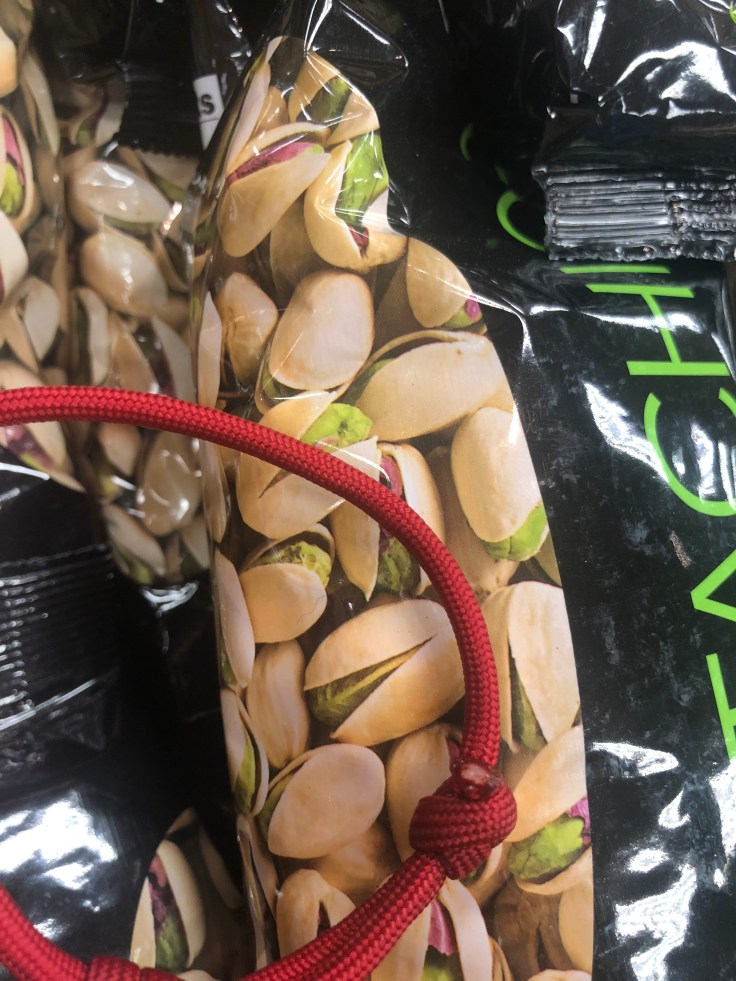
Dry fruit with seeds have two types. One example is a pistachio, in which have seeds that are contained in a seedpod which would open to release the seeds. However, it doesn’t have to have a seed pod that opens. Dry fruits occur when the entire pericarp, formed from the wall of the ripened ovary, becomes dry at maturity. Dry fruits include achenes, grains, legumes, nuts, and capsules.  


IMG_4756

Create a free website or blog at WordPress.com.

Up ↑

Design a site like this with WordPress.com
Get started