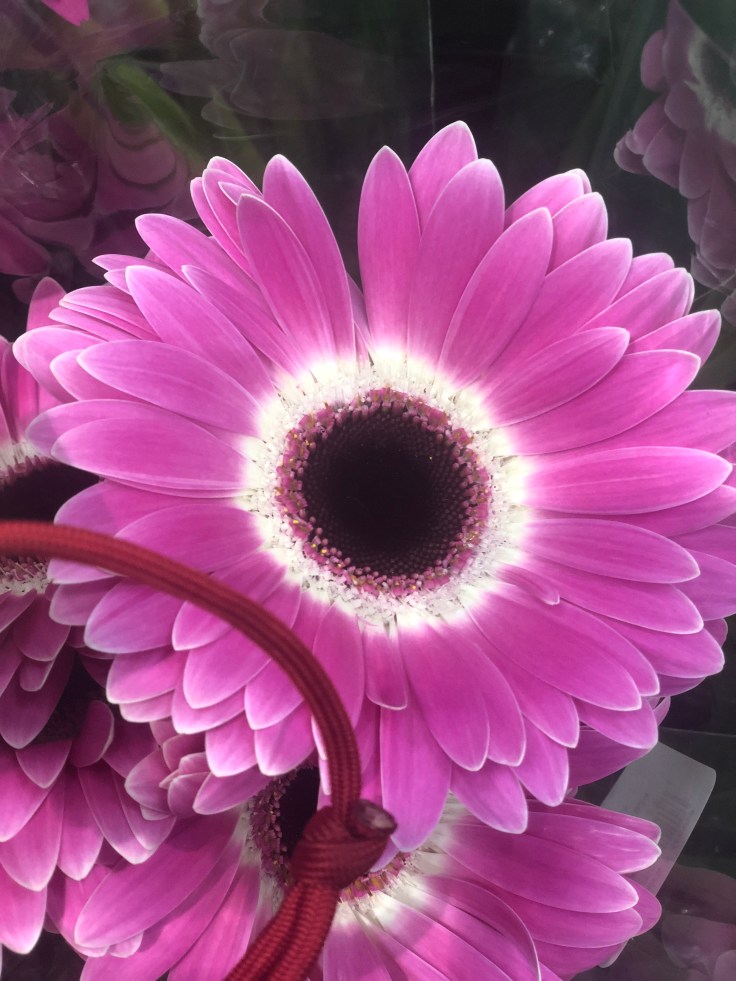
Radial Symmetry means symmetry around a center axis. Radially symmetric organisms only have a top and bottom, no left or right sides. This flower is an example of this because each petal is distributed evenly around the center creating symmetry.
Laura Murphy

Radial Symmetry means symmetry around a center axis. Radially symmetric organisms only have a top and bottom, no left or right sides. This flower is an example of this because each petal is distributed evenly around the center creating symmetry.

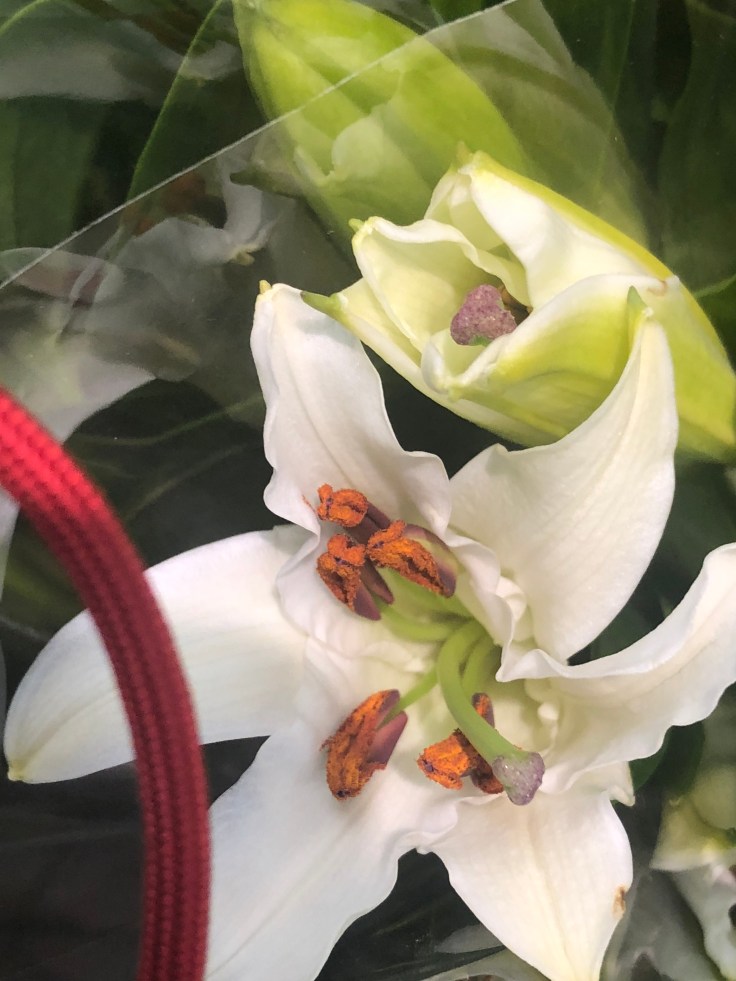
Pollen is a fine powdery substance, typically yellow, consisting of microscopic grains discharged from the male part of a flower. Each grain contains a male gamete that can fertilize the female ovule. Pollen is transported by insects, wind, or other animals. You can see pollen in this flower.

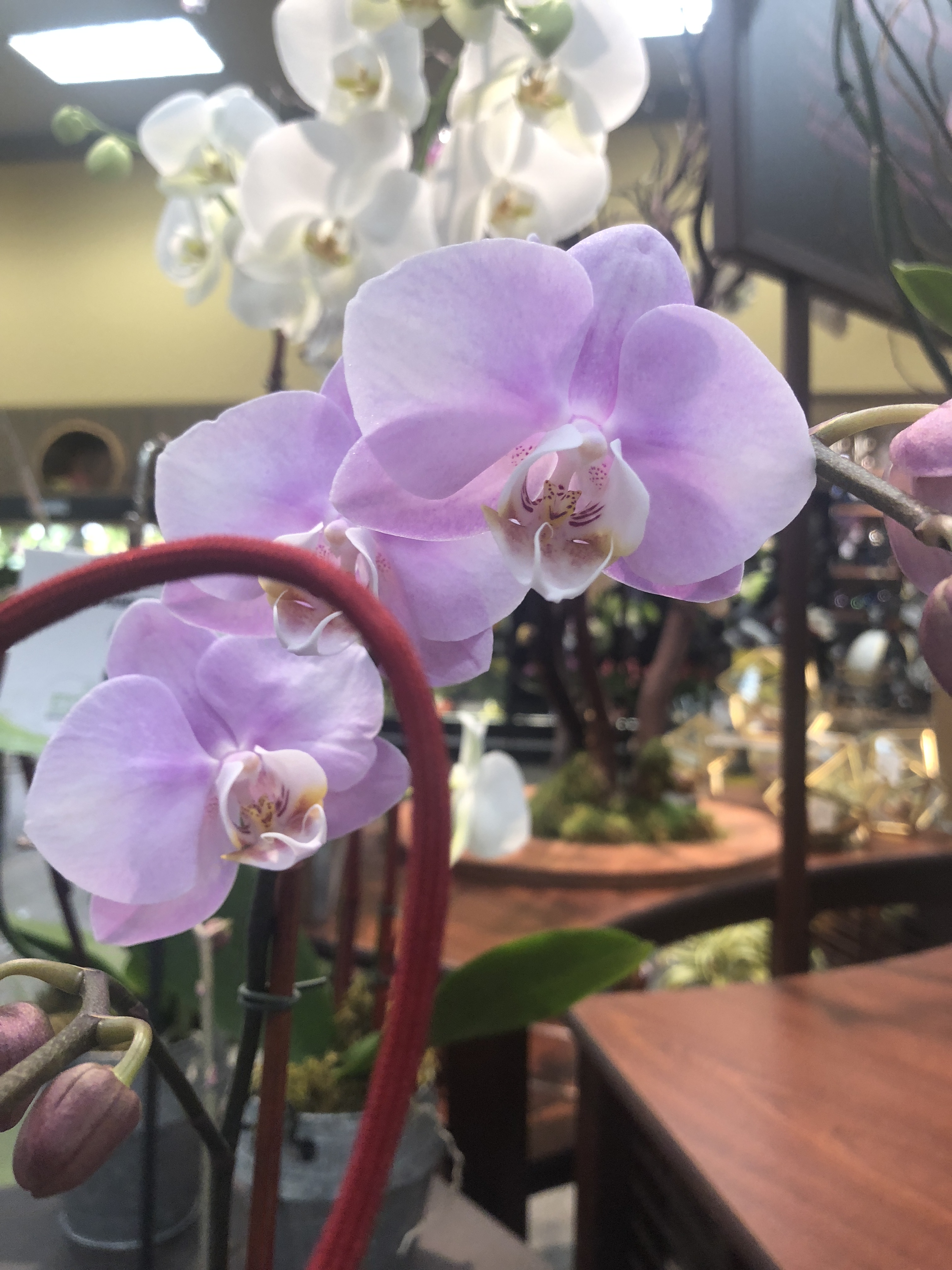
An autotroph is an organism that makes organic substances from simple organic substances such as carbon dioxide. Basically, they produce their own food using light, water, carbon dioxide, or other chemicals. For this reason, they are also called producers. A common example of an autotroph is a plant.

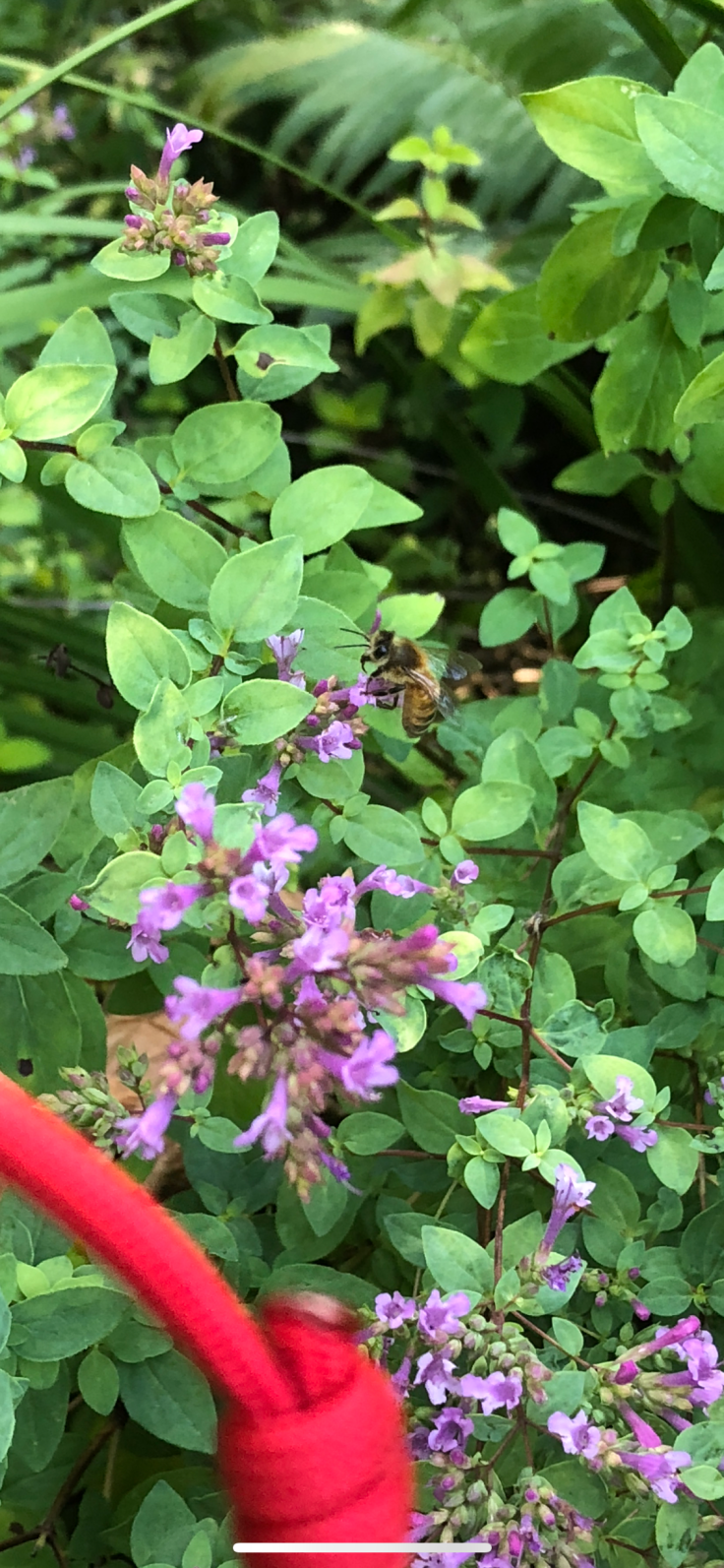
A pollinator is an animal that moves pollen from the male anther of a flower to the female stigma of a flower. This is different than a pollenizer, a plant that is a source of pollen for the pollination process. A bee is a type of pollinator.

In flowers, the ovary is what allows the flower to produce. The ovary is the part of the pistil that contains the ovule. It is usually found at the base of the petals as shown in the picture. 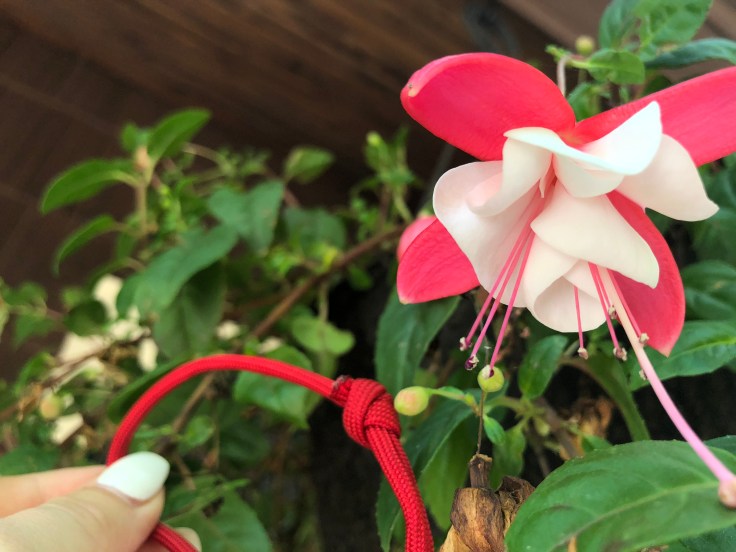

Dicot plants are flowering plants that have two embryos inside the seed. They usually flower in four or five parts or petals. The plant pictured is a Dicot for it has groups four petals.
 AP Biology