
This week in AP Biology, we covered structures of cells, organelles within the cell, and cell transport.
The basic support for the cell is made up of microtubules, microfilaments, and intermediate microfilaments, which is called the cytoskeleton. The cytoskeleton has the functions of cell shape, anchorage of organelles, regulations of cell and organelle motility, transportation, and movement of the cell through space.
We also looked up information about the different organelles, including their size, structure, function, and where they are found.
The cell membrane acts as boundary for the cell. Then we can talk about the plant cell having a cell wall. It is only present to maintain structure. Humans don’t have these because our cells require movement, and cells can be stiff.
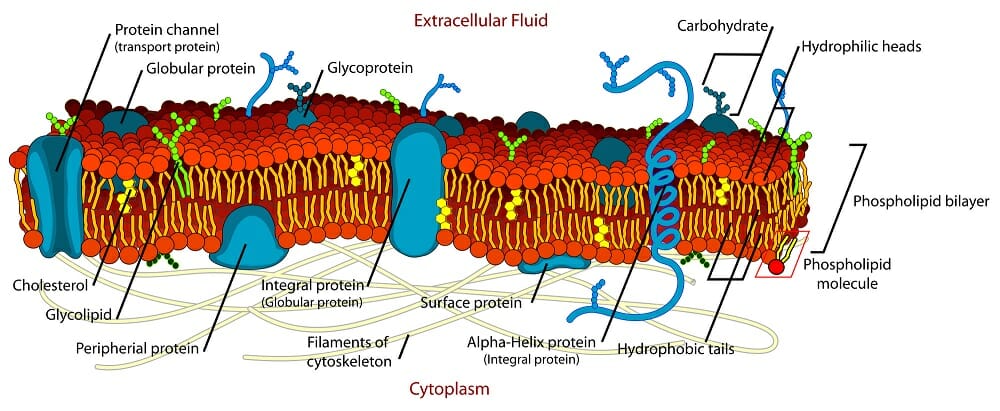
Lastly, we discussed cell transport. Within cell transport, there is passive transport as well as active transport. We looked at examples of both of these. This week’s topics relate mostly to Big Idea 2 due to the constant movement of molecules across certain membranes.
This week I was curious and did not understand how cells really link, but now I understand that there is so much support that goes into making a cell come together.
Helpful Resources:
 AP Biology