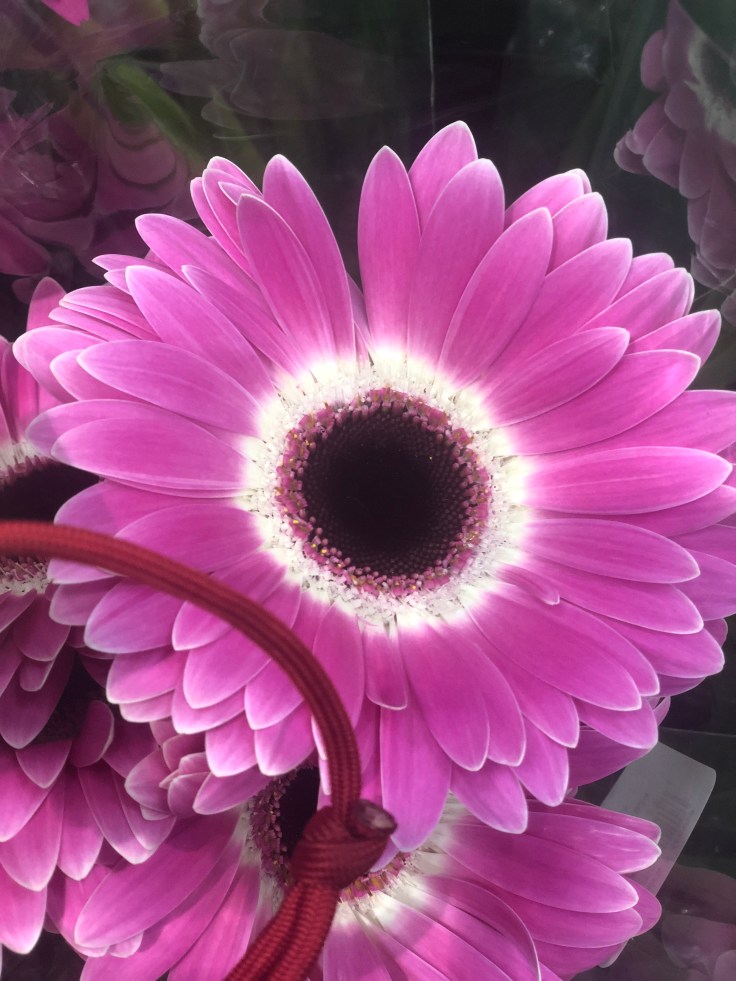
Radial Symmetry means symmetry around a center axis. Radially symmetric organisms only have a top and bottom, no left or right sides. This flower is an example of this because each petal is distributed evenly around the center creating symmetry.
Laura Murphy

Radial Symmetry means symmetry around a center axis. Radially symmetric organisms only have a top and bottom, no left or right sides. This flower is an example of this because each petal is distributed evenly around the center creating symmetry.

An exoskeleton is the skeletal system of an organism that is located on the outside of its body. It helps to protect an animals body, unlike an internal skeleton, such as a human, that leaves the body exposed. A crab is an example of an animal with an exoskeleton.


Pollen is a fine powdery substance, typically yellow, consisting of microscopic grains discharged from the male part of a flower. Each grain contains a male gamete that can fertilize the female ovule. Pollen is transported by insects, wind, or other animals. You can see pollen in this flower.
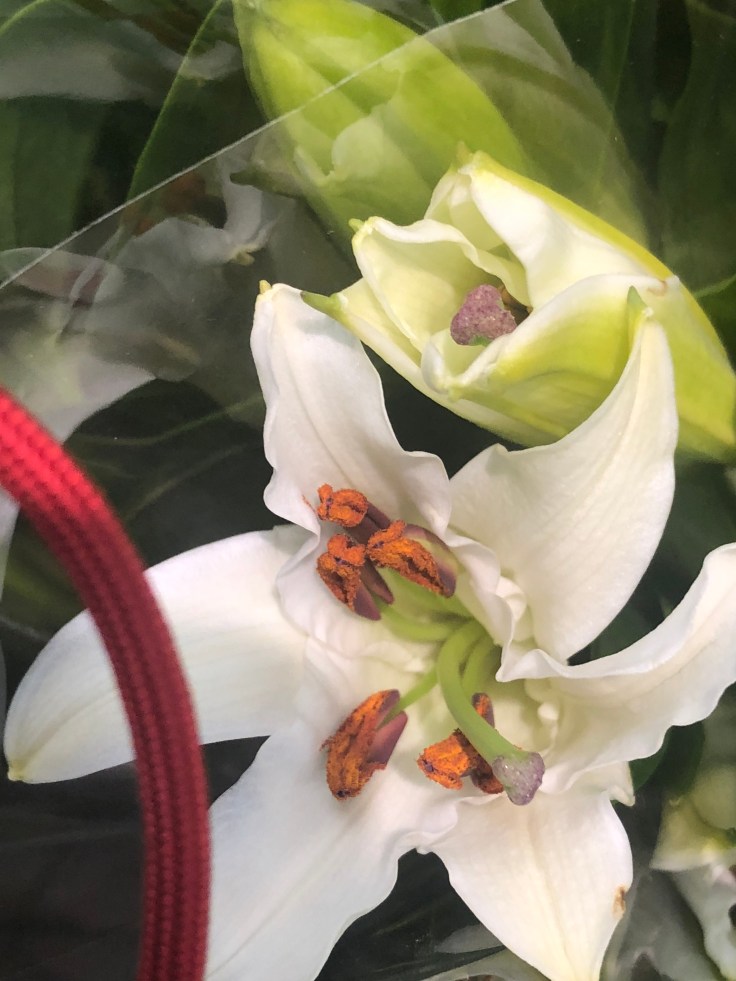

An autotroph is an organism that makes organic substances from simple organic substances such as carbon dioxide. Basically, they produce their own food using light, water, carbon dioxide, or other chemicals. For this reason, they are also called producers. A common example of an autotroph is a plant.
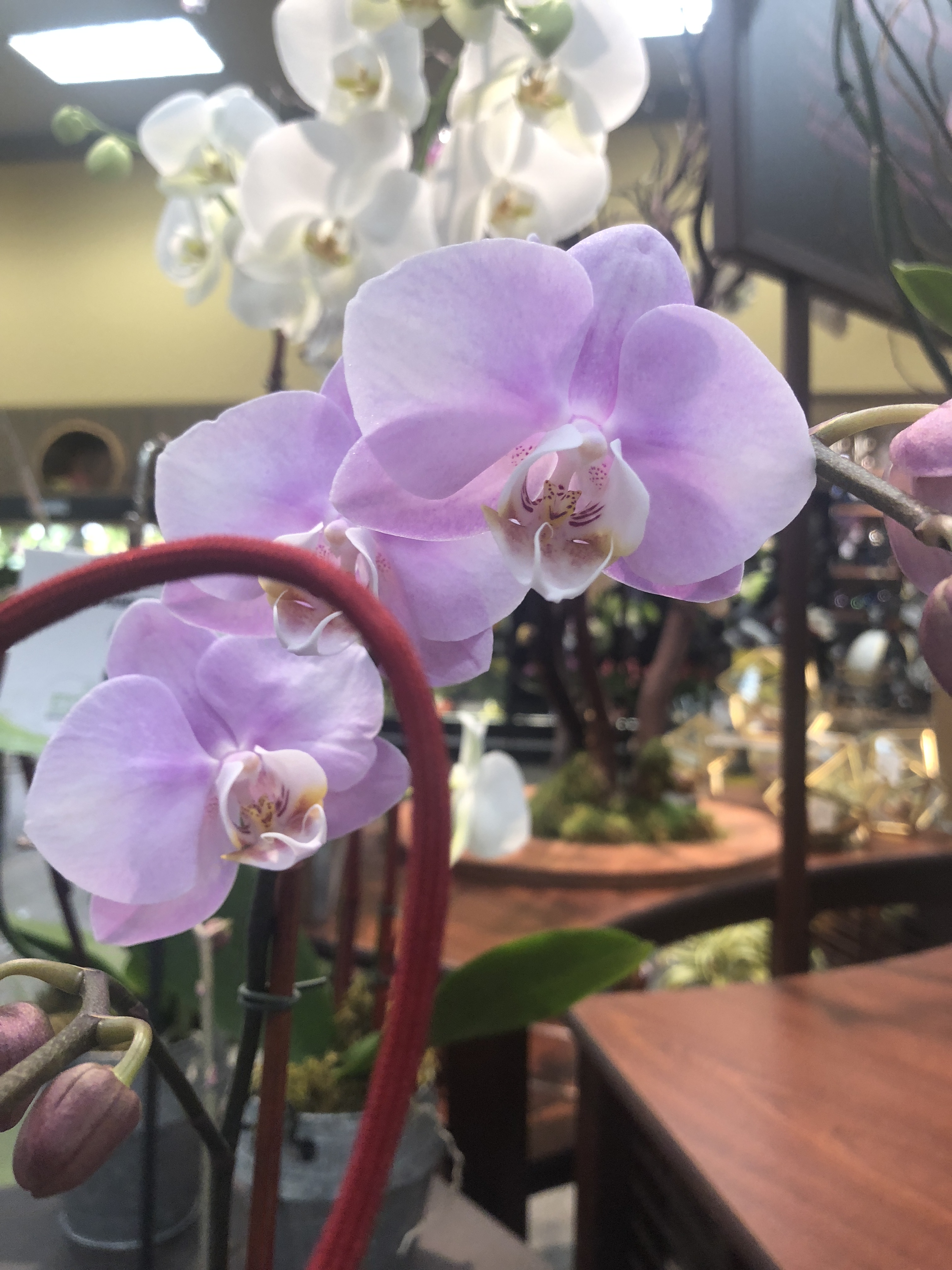

The cuticle is a thin layer that covers the surface of plants used to protect and support the epidermis of a plant. Basically, it provides a waterproof layer to limit water loss. You can see this waxy, shiny appearance in plants such as laurel and holly.
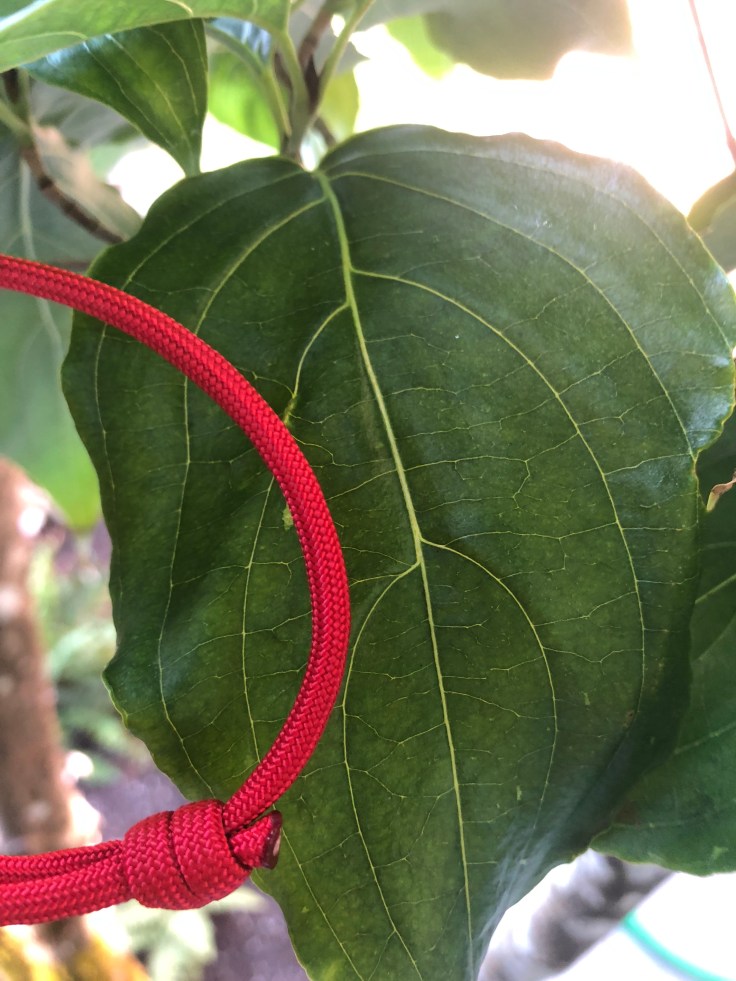

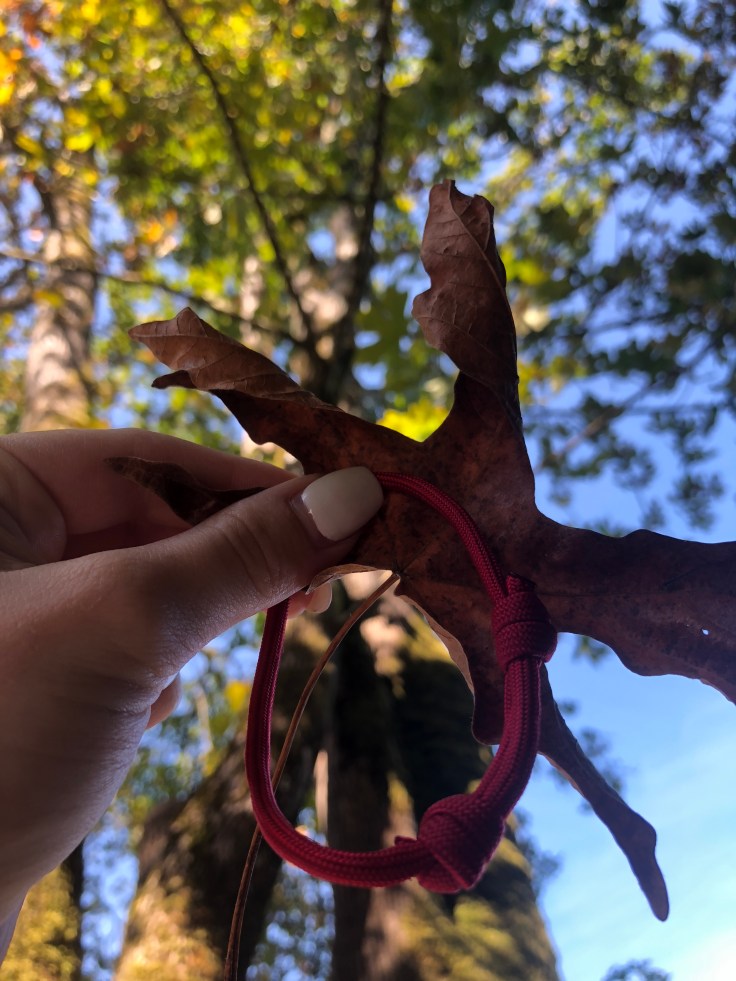
A deciduous leaf comes from a tree or shrub that seasonally sheds leaves, usually in the autumn. The term deciduous means “falling off at maturity.” This is a deciduous leaf that has already fallen due to maturity.

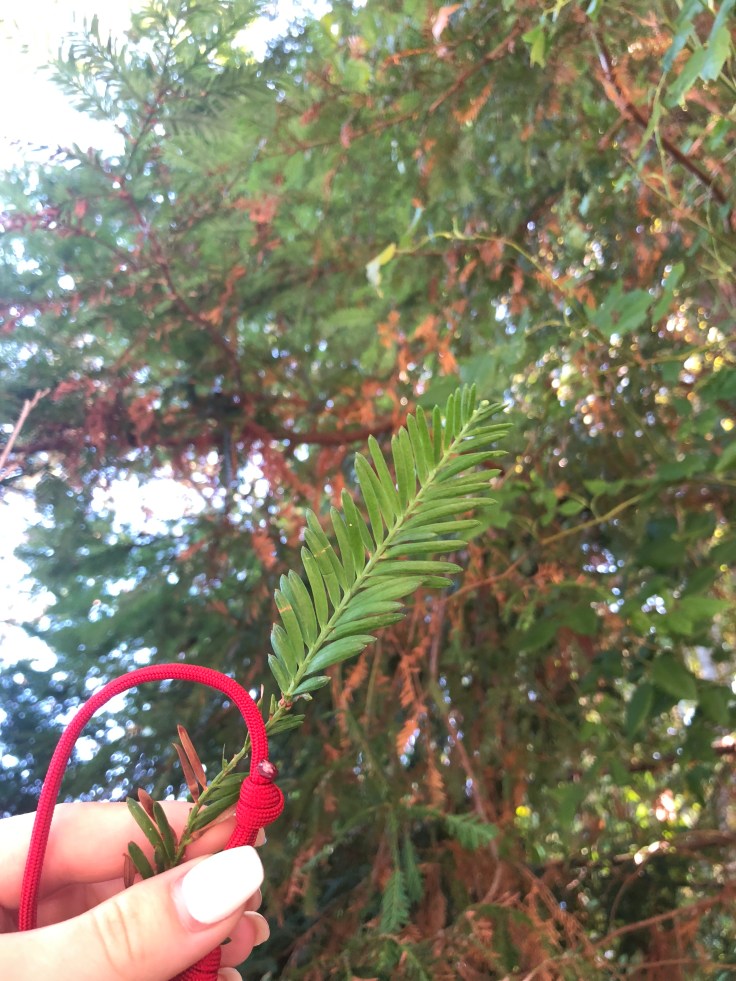
A conifer leaf is one that comes from a conifer, which is a tree that produces cones as seeds. They are mostly evergreen trees and shrubs that have needle-shaped leaves. They are all woody plants that grow year round. This is a picture of one.

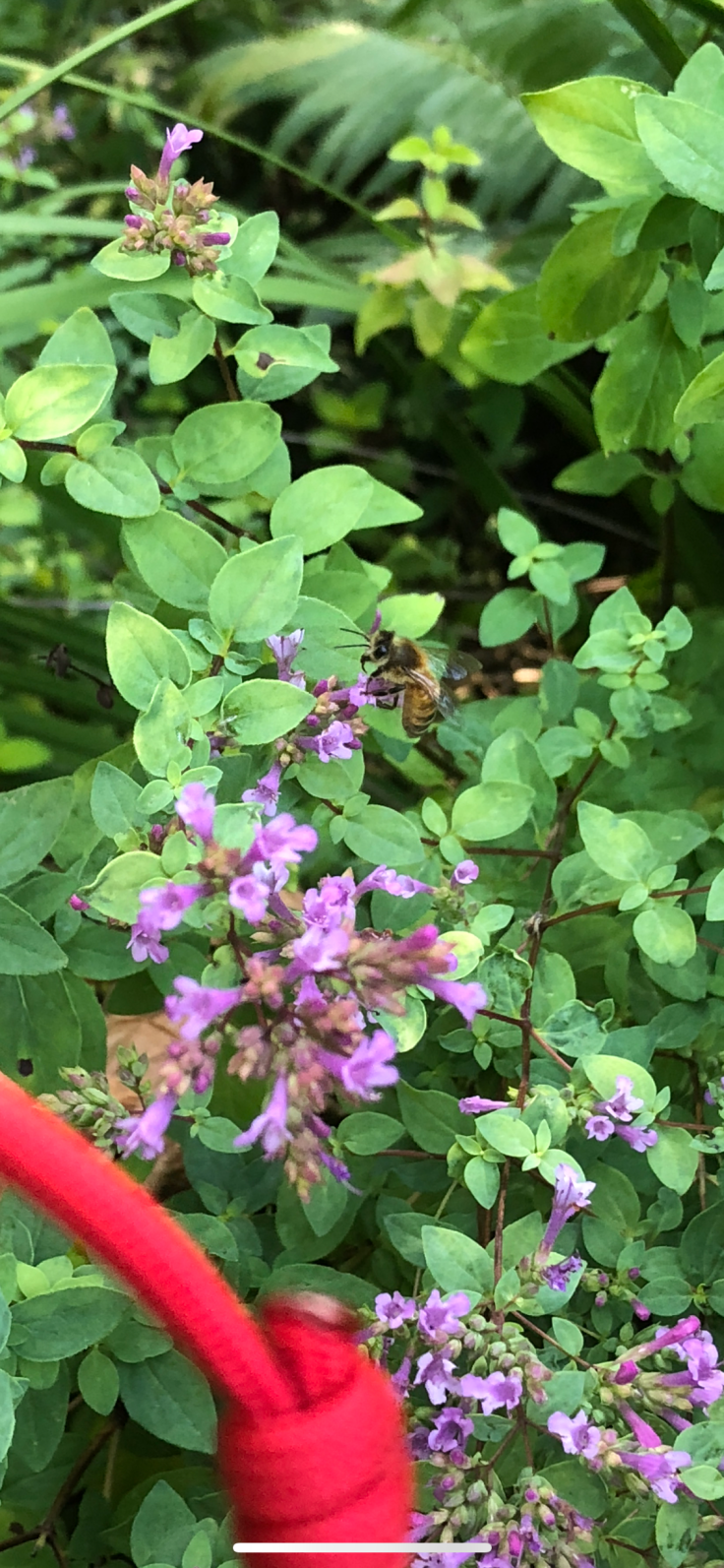
A pollinator is an animal that moves pollen from the male anther of a flower to the female stigma of a flower. This is different than a pollenizer, a plant that is a source of pollen for the pollination process. A bee is a type of pollinator.

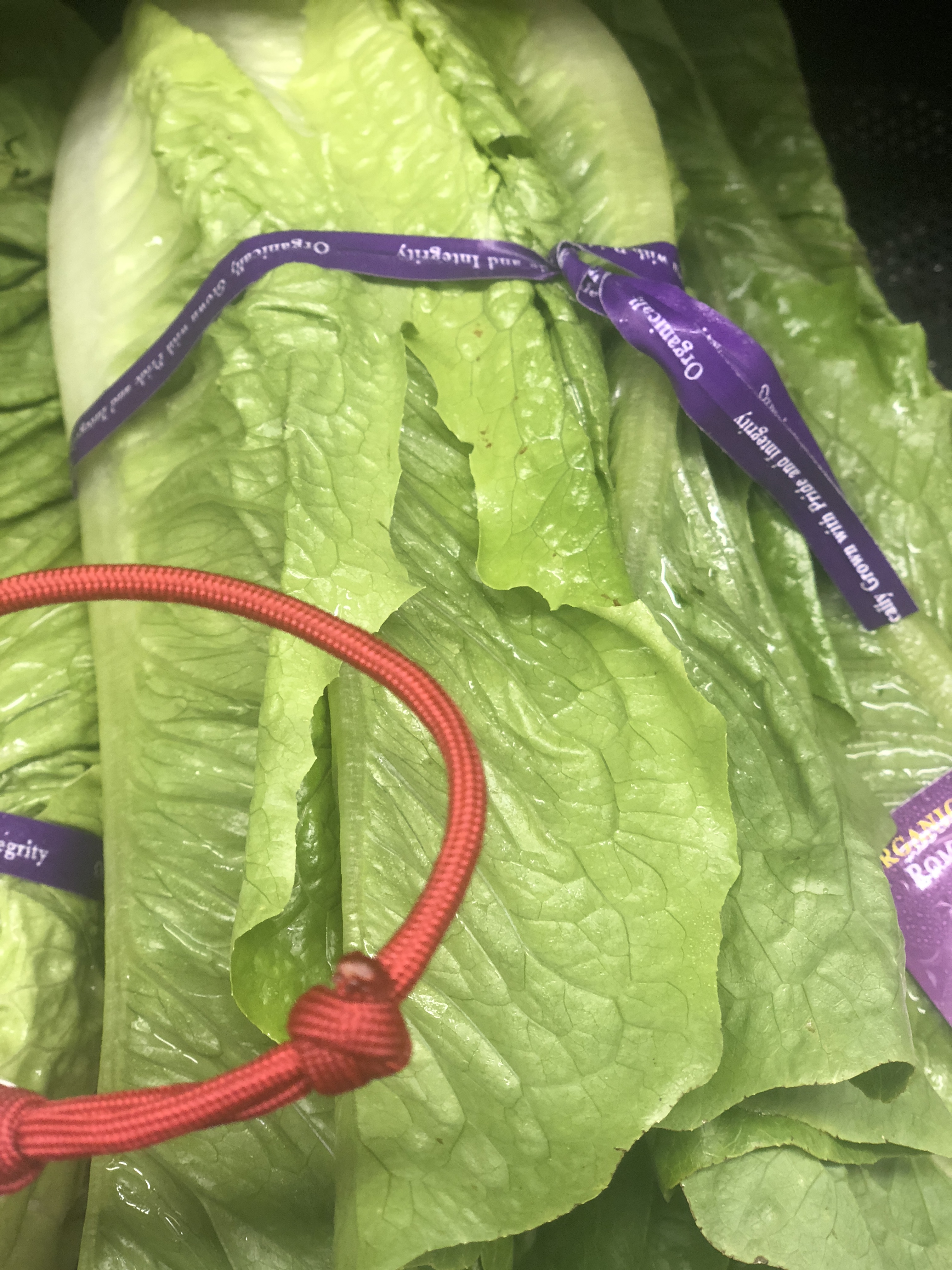
Long-day plants are plants that need over 12 hours of sunlight before they can flower. Lettuce is a type of long-day plant because it only flowers when the days are longer, during temperate summers.

In flowers, the ovary is what allows the flower to produce. The ovary is the part of the pistil that contains the ovule. It is usually found at the base of the petals as shown in the picture. 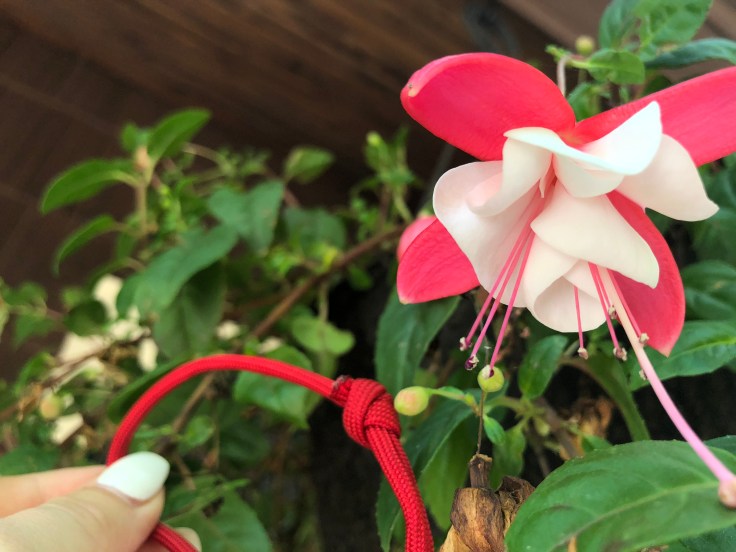
 AP Biology