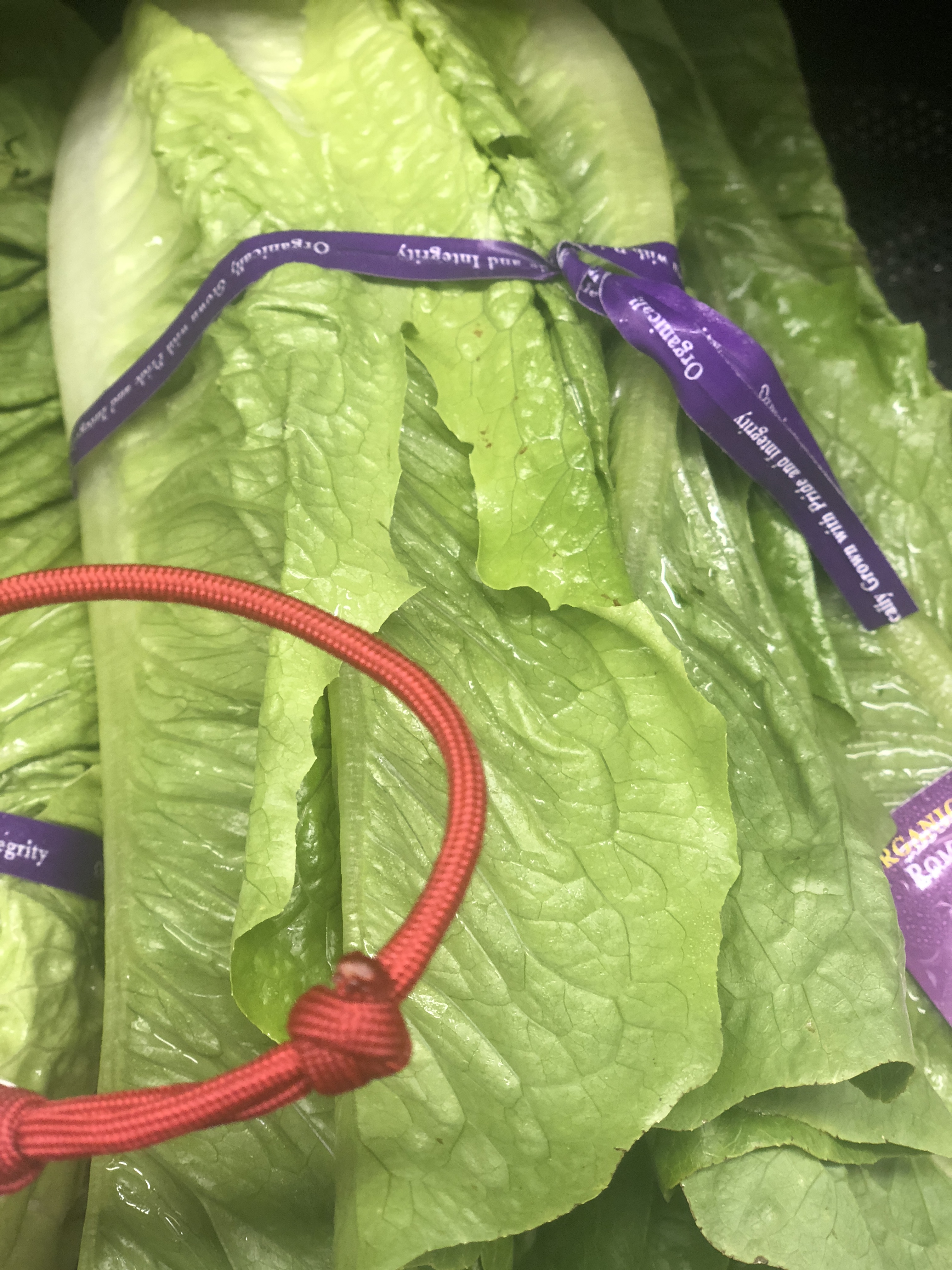
Long-day plants are plants that need over 12 hours of sunlight before they can flower. Lettuce is a type of long-day plant because it only flowers when the days are longer, during temperate summers.
Laura Murphy

Long-day plants are plants that need over 12 hours of sunlight before they can flower. Lettuce is a type of long-day plant because it only flowers when the days are longer, during temperate summers.

In flowers, the ovary is what allows the flower to produce. The ovary is the part of the pistil that contains the ovule. It is usually found at the base of the petals as shown in the picture. 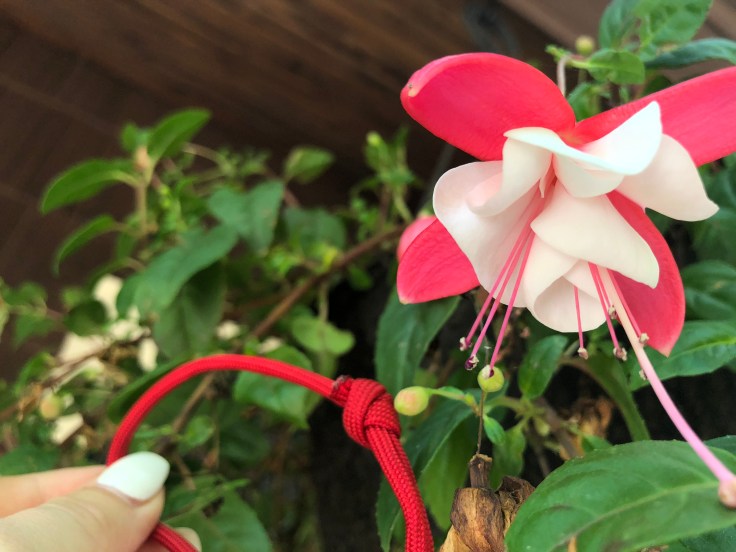

A frond is a large divided leaf that is part of a fern, palm tree, or similar plant. Ferns, for example, reproduce via spores, not seeds like most plants. The spores are encased in structures called sporangia, which lay on the underside of their fronds.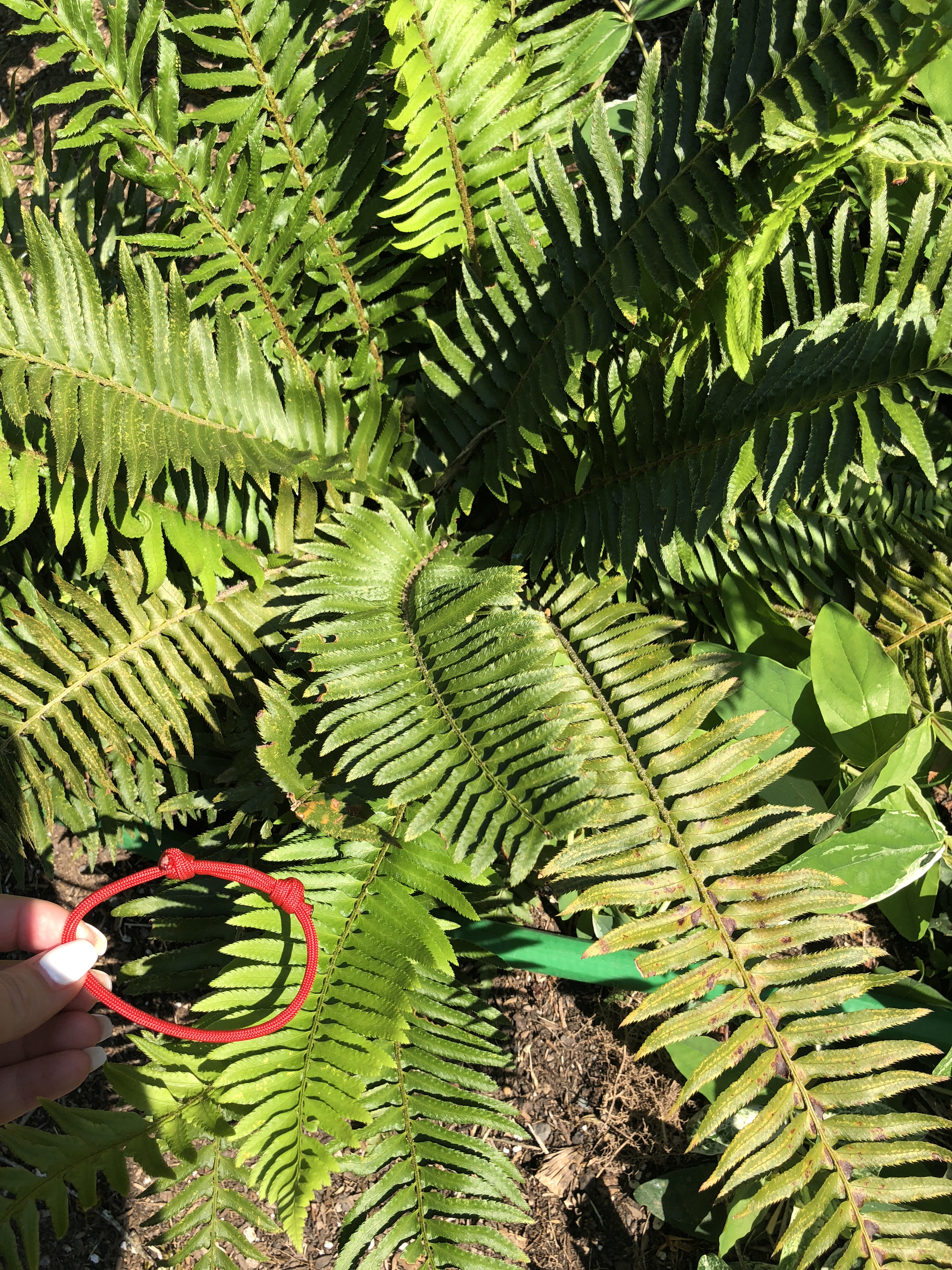

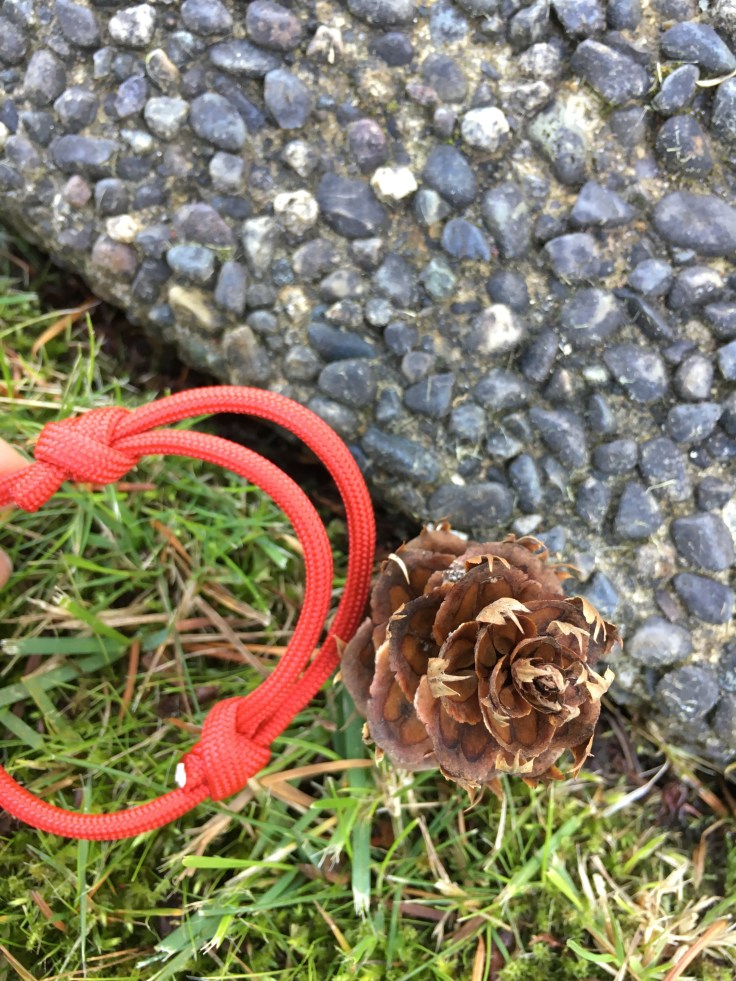
A cone is an organ on plants in the division conifers that contains the reproductive structures. The familiar woody cone is the female cone, which produces seeds. This is an example female pinecone.

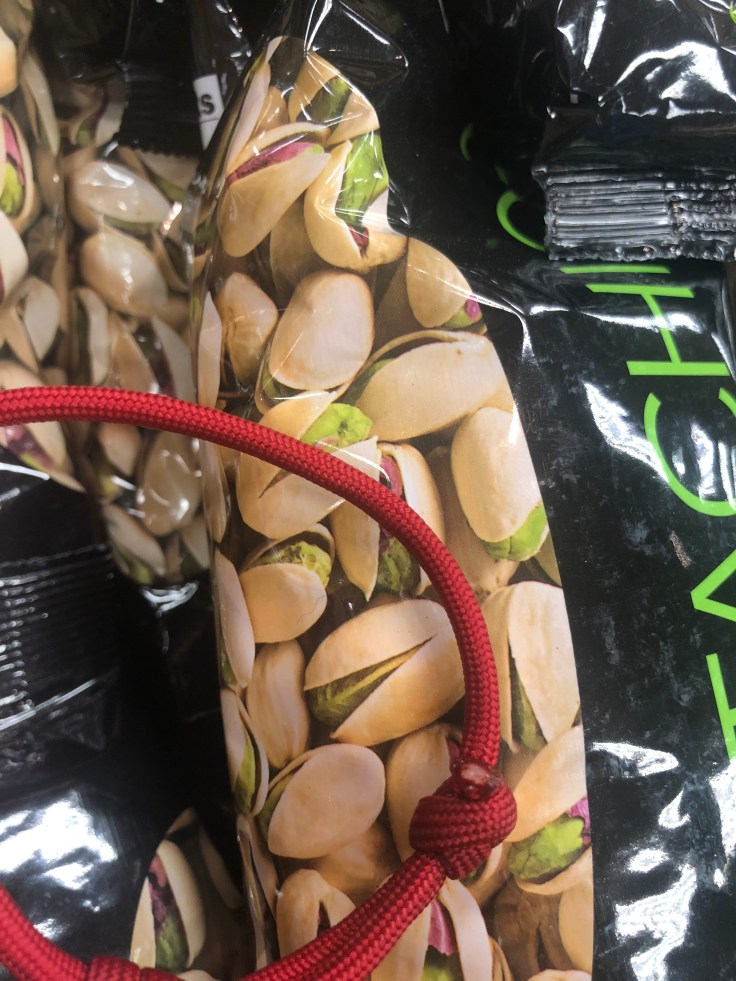
Dry fruit with seeds have two types. One example is a pistachio, in which have seeds that are contained in a seedpod which would open to release the seeds. However, it doesn’t have to have a seed pod that opens. Dry fruits occur when the entire pericarp, formed from the wall of the ripened ovary, becomes dry at maturity. Dry fruits include achenes, grains, legumes, nuts, and capsules.

The littoral zone is the part of the beach that is both exposed to sunlight and covered in water depending on the tide. Because of the amount of waves in this zone, few organisms can live in the littoral zone. However, barnacles are one example of an organism that thrives in this zone due to adapting to these conditions.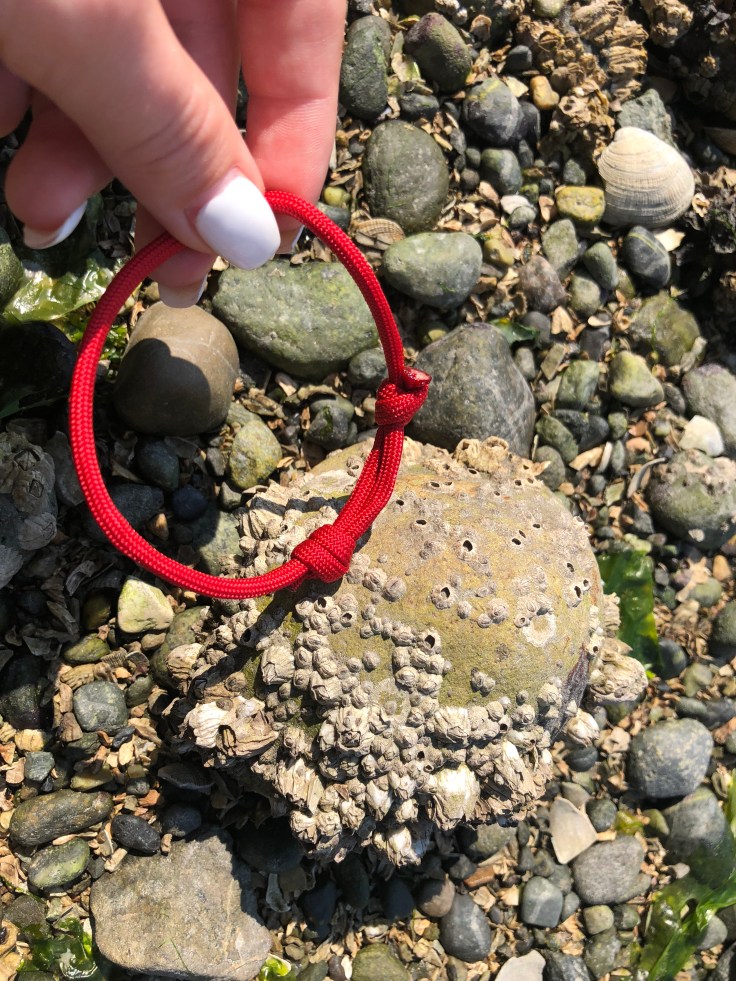

Dicot plants are flowering plants that have two embryos inside the seed. They usually flower in four or five parts or petals. The plant pictured is a Dicot for it has groups four petals.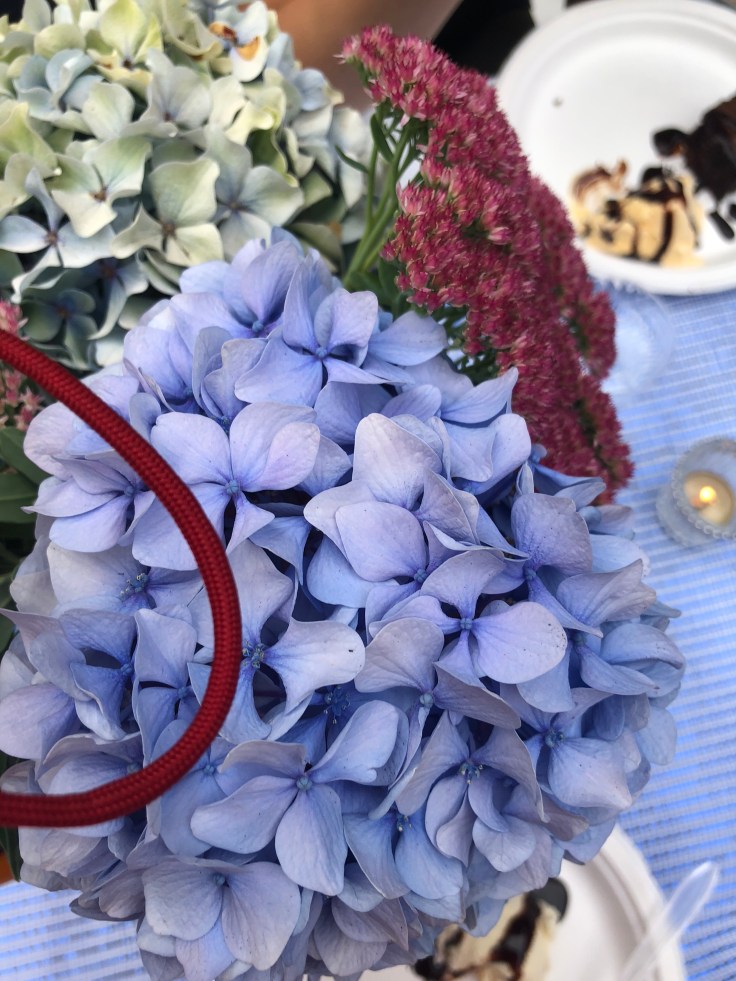

An Angiosperm is a plant that has flowers and produces seeds enclosed within a carpel. The angiosperms are a large group and include herbaceous plants, shrubs, grasses, and most trees. A daisy is an angiosperm.


A fleshy fruit largely consists of soft succulent tissue with wet insides that are usually edible, such as this watermelon. Fleshy fruits come from single ovaries, and develop into most berries. 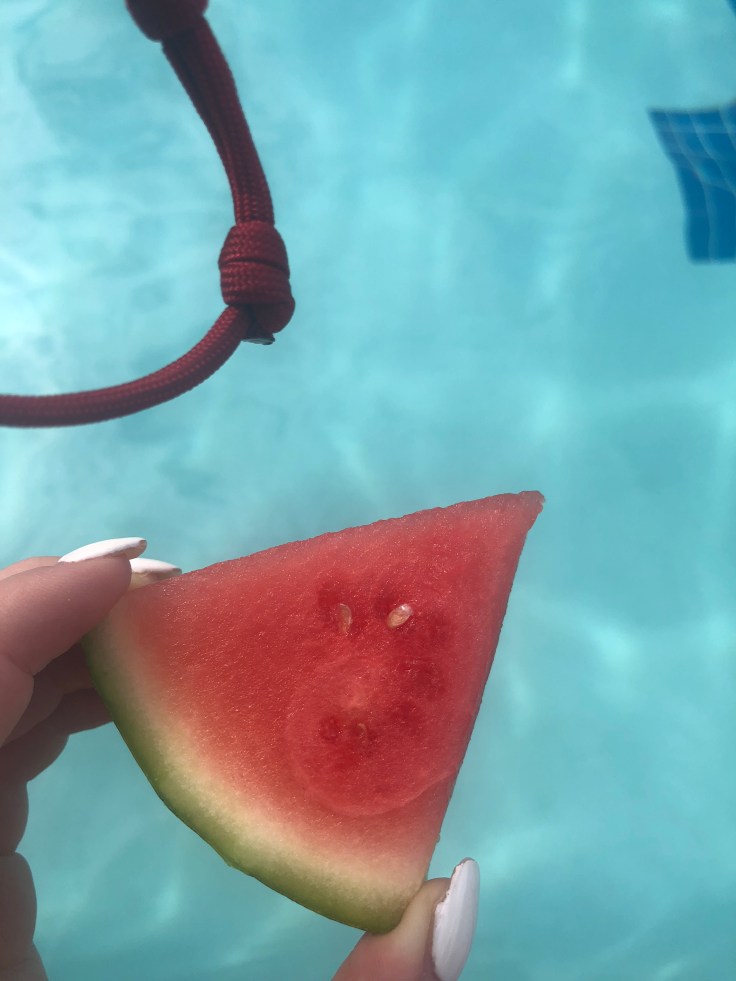

King Charles Cavaliers, like many other species, have adapted whiskers through evolution. They are a beneficial trait that sends sensory information to the brain to make it possible to visualize images. The purpose of this adaptation is to enhance survival.
 AP Biology